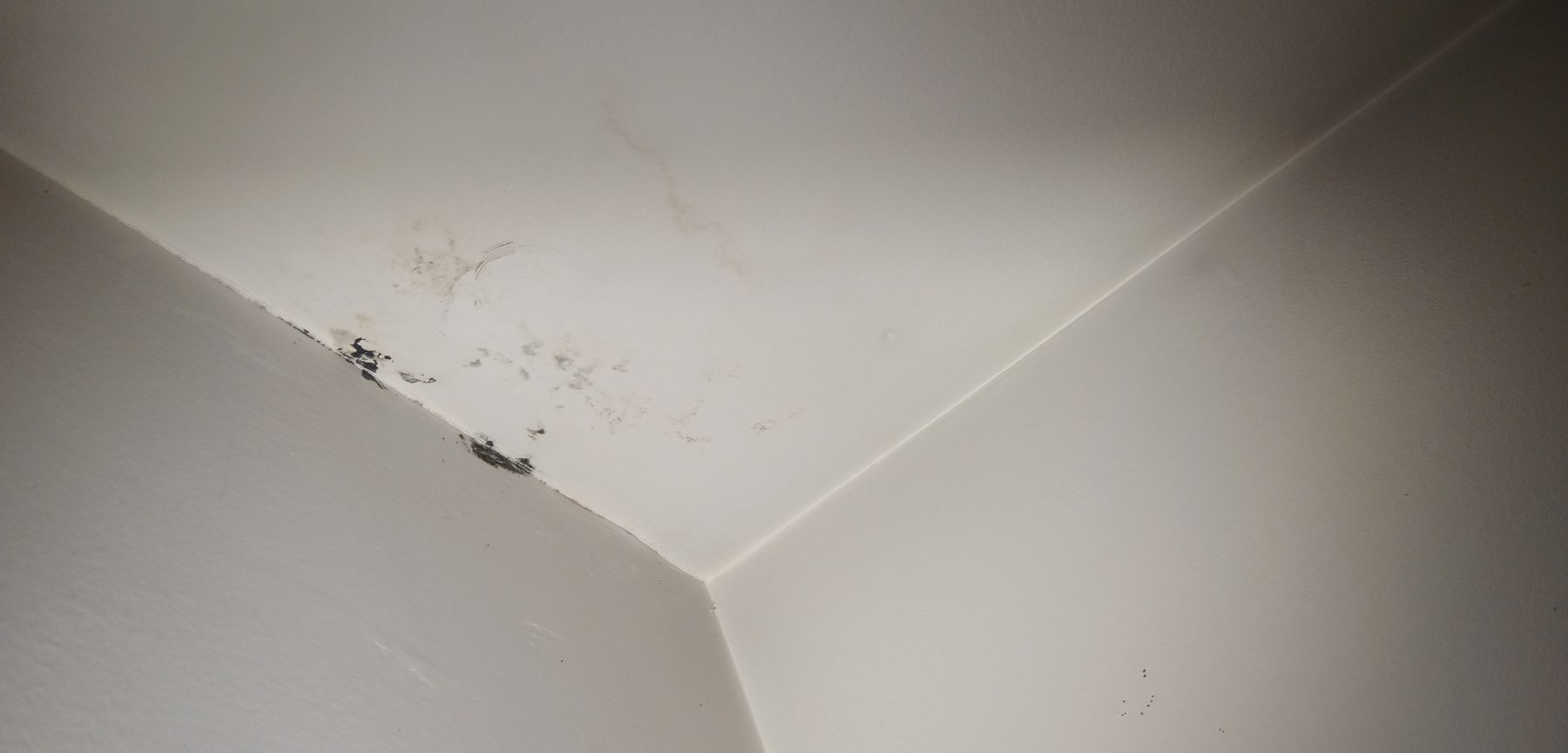
Many Maryland tenants hear the same reassurance after they report mold: the air test came back fine. At the Safe Housing Collaborative conference in Austin, Texas, in October 2026, mold assessors and remediation professionals explained why that conclusion often means less than it sounds. A clean air sample can reflect where and how someone took the sample, not whether the home is safe to live in.
Assessors usually draw air samples from the center of a room. That spot sits farthest from the places where water problems start, such as plumbing walls, exterior walls, and leaking windows. Michael Rubino, president of the Change the Air Foundation, offered a simple calculation. A ten by ten room with eight foot ceilings holds more than 22,000 liters of air, so a typical 75 liter sample analyzes about one third of one percent of it.
Speakers described a flooded house in which mold covered the walls and ceilings of the family room, yet a center of room air sample taken in the still, unpowered house came back clean. Air in an empty, settled house behaves very differently from air in a home where people walk, close doors, and run the heating and air conditioning. Thorough assessors record those conditions and sample with the system on and off, near the walls, and inside the air handler.
Water-loving molds such as Stachybotrys and Chaetomium grow on materials that stay wet for long periods. Panelists explained that these molds tend to spread across wet surfaces rather than release spores into the air, so they seldom appear in air samples. Even one such spore in a sample can point to a larger hidden colony, which deserves follow up rather than dismissal.
Air sampling still has value, especially when an assessor compares indoor results with an outdoor baseline. The speakers stressed, however, that the search for the source matters more than the number of samples. A good assessment looks for the water, traces where it traveled, and sometimes requires opening a wall. A report built on four or five air samples that pronounces everything fine reflects a routine visit, not an investigation.
If you live in a Maryland rental home with leaks, dampness, or mold, keep copies of every test result and report, and ask how and where the samples were taken. To discuss a Maryland mold injury claim, e-mail chris@attorneybeard.com or call (410) 267-0227.


