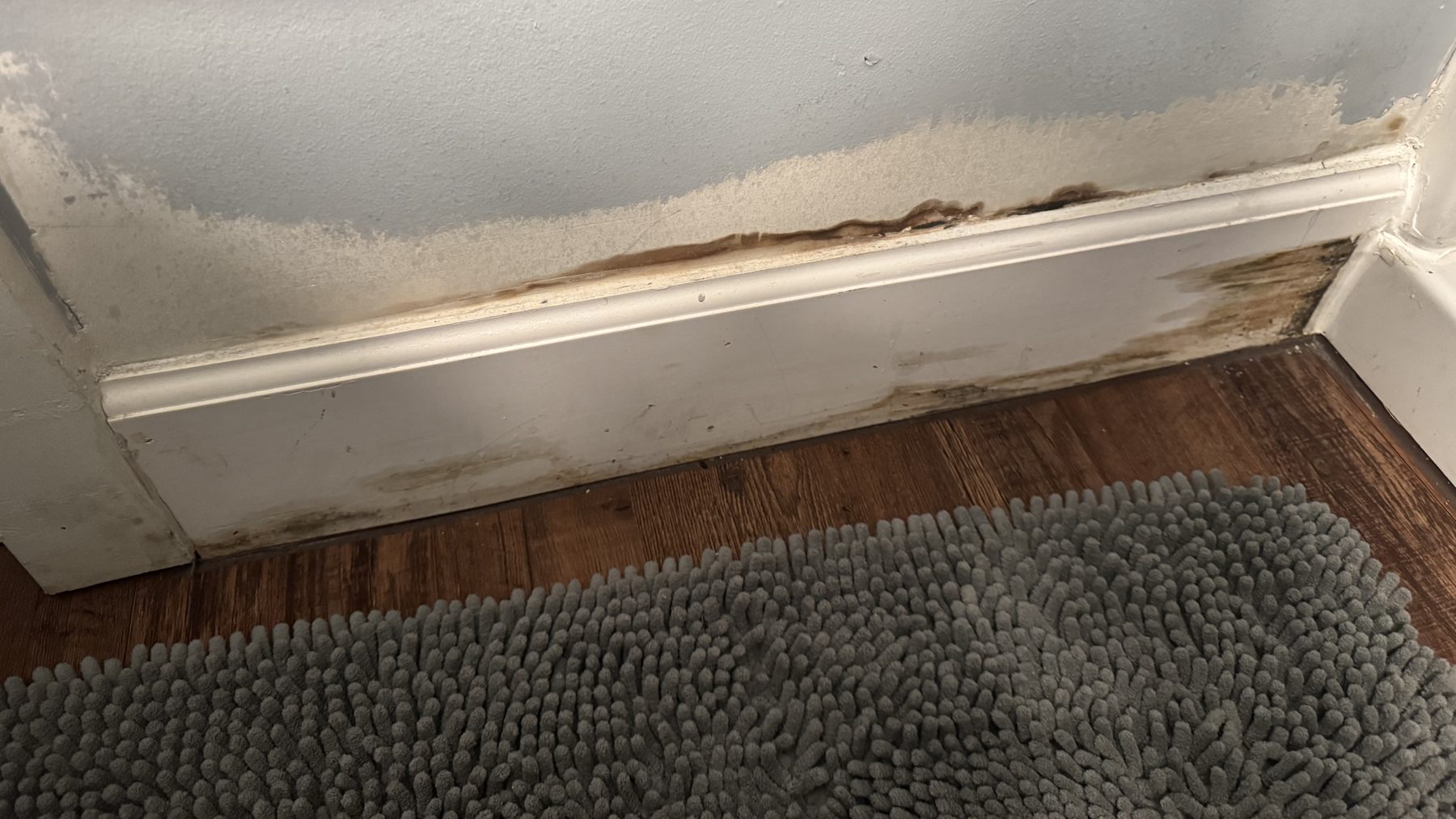
Repairing a leak is a necessary step, but it is only one step. Mold assessors at the October 2026 Safe Housing Collaborative conference described a danger window that opens when someone fixes the water source and leaves the mold in place. During that window, conditions inside the home can become worse for the people who live there, not better.
Water-loving molds such as Stachybotrys and Chaetomium grow on materials that stay nearly saturated for long periods. While they remain wet, they tend to spread across surfaces instead of releasing spores into the air. Panelists explained that these molds reach the air mainly when the colony dries out, for example after an owner fixes the leak. The drying colony becomes brittle and releases spores more freely.
One assessor described a home where initial testing found no Stachybotrys in the air. After a contractor demolished walls without proper containment or cleaning, the counts rose sharply. Tearing out moldy material can stir up far more spores than leaving it alone, which is why professional remediation standards call for containment, negative air pressure, and cleaning of the surrounding area.
A landlord who repairs a leak but waits weeks or months to remove the mold may increase a tenant's exposure during that gap. For that reason, the dates matter: when the tenant first reported the problem, when the leak was repaired, when remediation began, and when anyone verified the result. Those dates often tell the story of a mold claim better than any single test result.
Keep a written record of each report you make, each repair visit, and each change you notice in the home, including symptoms that start or worsen. Photograph the area before and after any work, and ask whether the contractor will use containment. Under Maryland's Tenant Mold Protection Act, landlords now face deadlines for assessment and remediation after written notice, so put your reports in writing and keep copies.
To discuss a Maryland mold injury claim, e-mail chris@attorneybeard.com or call (410) 267-0227.


