Maryland's Eastern Shore brings its own moisture problems: salt air and coastal humidity, low ground and high water tables, crawl spaces under older houses, and beach condominiums whose exterior walls take the full force of wind-driven rain. Chris Beard has handled mold cases across the Shore, and those cases show how water gets in. Tenants and owners here have protection from Maryland's Tenant Mold Protection Act, the State's Minimum Livability Code or a local housing code, and public health guidance that explains why damp buildings matter.
Chris Beard has filed mold cases in the Circuit Courts for Worcester County, Somerset County, and Queen Anne's County, and he represents mold clients in Dorchester County. Those cases have involved an oceanfront condominium in Ocean City, a single-family rental near Berlin, a rental apartment in Crisfield, a private school building in Stevensville, and rental units in Cambridge.
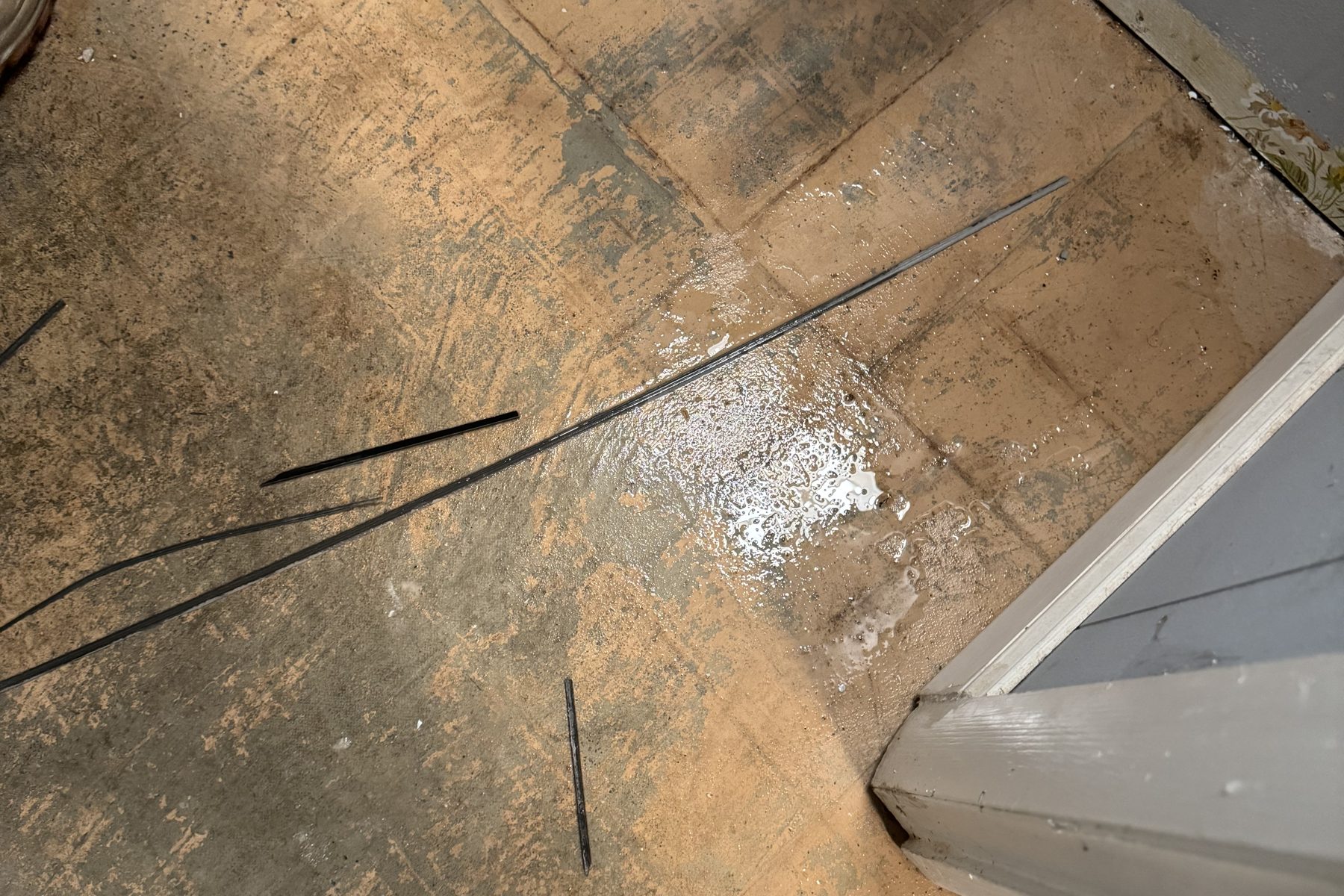
The facts repeat. In one Ocean City condominium, water entered for years through the aging exterior insulation and finish system on the face of a building about forty years old. In a Crisfield rental, a town rental inspection recorded long-term crawl space moisture, rotted wood, no crawl space vents or vapor barrier, and replacement floor joists already showing suspected microbial growth. Near Berlin, a heating and air conditioning system leaked more than once before anyone repaired it.
The World Health Organization reviewed the research on damp buildings in its 2009 Guidelines for Indoor Air Quality: Dampness and Mould. It concluded that the most important health effects are increased respiratory symptoms, allergies, and asthma, together with disturbance of the immune system. The World Health Organization named the prevention of persistent dampness and microbial growth inside buildings as the most important way to avoid those effects.
The National Institute of Environmental Health Sciences, part of the National Institutes of Health, reports that damp, moldy buildings increase occupants' risk of respiratory problems, including shortness of breath and worsening asthma. The United States Environmental Protection Agency (EPA), in A Brief Guide to Mold, Moisture, and Your Home, states that the key to mold control is moisture control and that water-damaged areas should be dried within 24 to 48 hours to prevent mold growth.
Since July 1, 2025, the Maryland Tenant Mold Protection Act, Real Property Article § 8-220, has set deadlines that apply in every Eastern Shore county. Once a landlord receives written notice of mold from a tenant or from the local code enforcement agency, the landlord must perform a mold assessment within 15 days. If the assessment finds mold, the landlord must complete remediation within 45 days, or within a reasonable time if 45 days is not feasible.
The same law requires the landlord to follow recommended industry guidelines and state and local law, to keep occupants informed during the work, to ensure proper ventilation and low indoor humidity, and to maintain the property under all applicable housing and building codes. A landlord must also give each tenant a mold pamphlet when the lease is signed, and the State may use the EPA's Brief Guide for that pamphlet.
The Act defines mold to include Alternaria, Aspergillus, Cladosporium, Fusarium, Memnoniella, Mucor, Penicillium, Stachybotrys chartarum, and Trichoderma. It also directs the Maryland Department of the Environment to adopt uniform assessment and remediation standards by June 1, 2027, with remediation measured against the EPA's Mold Remediation in Schools and Commercial Buildings.
The Tenant Mold Protection Act requires every landlord to maintain the property under the applicable housing and building codes, including the minimum livability standards of Public Safety Article § 12-203. That section directs the State to set a Minimum Livability Code for rental housing, which applies wherever a county or town has not adopted a substantially similar housing code of its own.
Several Shore towns and counties run their own rental licensing or inspection programs, and Crisfield, for example, requires rental property maintenance inspections. A tenant should ask the county or town government which agency enforces housing standards where the rental sits, file a written complaint about the leak or water damage, and keep any inspection report. A written notice of mold from that local agency starts the landlord's 15-day clock under the Act.
Rent escrow in the District Court can push a landlord to make repairs, but it does not compensate a tenant for illness, medical bills, lost wages, or ruined belongings. A claim for those losses proceeds separately in the circuit court. Before signing anything in a rent escrow or eviction case, read it carefully, because a release signed there can end an injury claim.
Report the mold and the water problem to the landlord in writing, and keep a dated copy. Report the leak or water damage to the county or town agency that enforces housing standards, and keep any inspection report it issues. Photograph the growth, the stains, and damaged belongings before anyone repaints. Hire your own qualified mold assessor rather than relying on the landlord's contractor, and save every message and repair ticket.
If new symptoms begin after exposure to mold or water-damaged building materials, including exposure you did not recognize at the time, see your doctor for care. Maryland injury claims generally must be filed within three years under Courts and Judicial Proceedings Article § 5-101, and claims against public housing carry earlier notice deadlines.
Owners of condominium units face a different set of rules, because the condominium association usually controls the exterior walls, roof, and other common elements. When water reaches a unit through those common elements, the association's declaration, bylaws, and maintenance records become central evidence, and an owner should request them in writing.

Christopher L. Beard, an Annapolis attorney, concentrates his practice in toxic mold injury and habitability claims and represents tenants and owners throughout the Eastern Shore. To discuss a mold problem on the Shore, e-mail chris@attorneybeard.com or call (410) 267-0227. You can also read our article on the Maryland Tenant Mold Protection Act.
This article is one part of a five-part series. Read the full series, Mold in Maryland Rentals, for every jurisdiction in one place.
For the same guidance in other jurisdictions, read about mold in rentals in Anne Arundel County, Baltimore City, Baltimore County, and Prince George's County. You can also return to the attorneybeard.com home page or see how Chris Beard represents Maryland tenants injured by mold.


